The Stalinist Street Names Purge: Why Britain's War on Its Own History Is Accelerating Under Labour
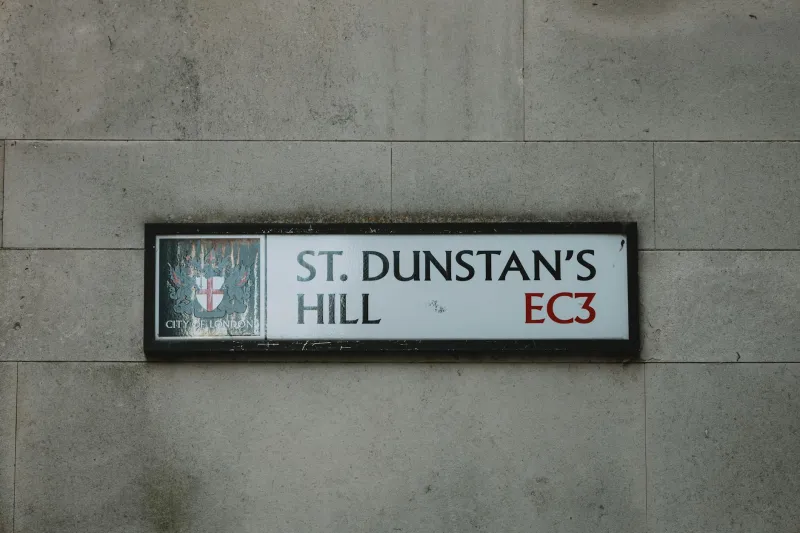
The Quiet Revolution Against British History
Across Britain, a quiet revolution is underway in council chambers and heritage committees. Street names that have stood for centuries are being subjected to ideological audits. Statues that survived the Blitz are falling to bureaucratic bulldozers. Public buildings named after historical figures are being rechristened to satisfy contemporary political sensibilities.
This isn't the spontaneous uprising of local communities demanding change. It's a top-down campaign driven by councils, heritage bodies, and activist groups who have appointed themselves the arbiters of acceptable history. Since 2020, this movement has accelerated dramatically, and under Keir Starmer's Labour government, it shows no sign of slowing.
The scale of this historical purge is staggering. According to research by the Policy Exchange think tank, over 150 street names, statues, and building names have been changed or removed since 2020 across England alone. The true figure is likely higher, as many councils don't publicise their decisions or bury them in obscure committee minutes.
The Absurdity of Historical Presentism
Consider the recent decisions that reveal the arbitrary nature of this process. In Bristol, the council spent £3.6 million removing and relocating the statue of Edward Colston, a 17th-century merchant involved in the slave trade. Yet the same council has retained streets named after other historical figures with equally complex legacies.
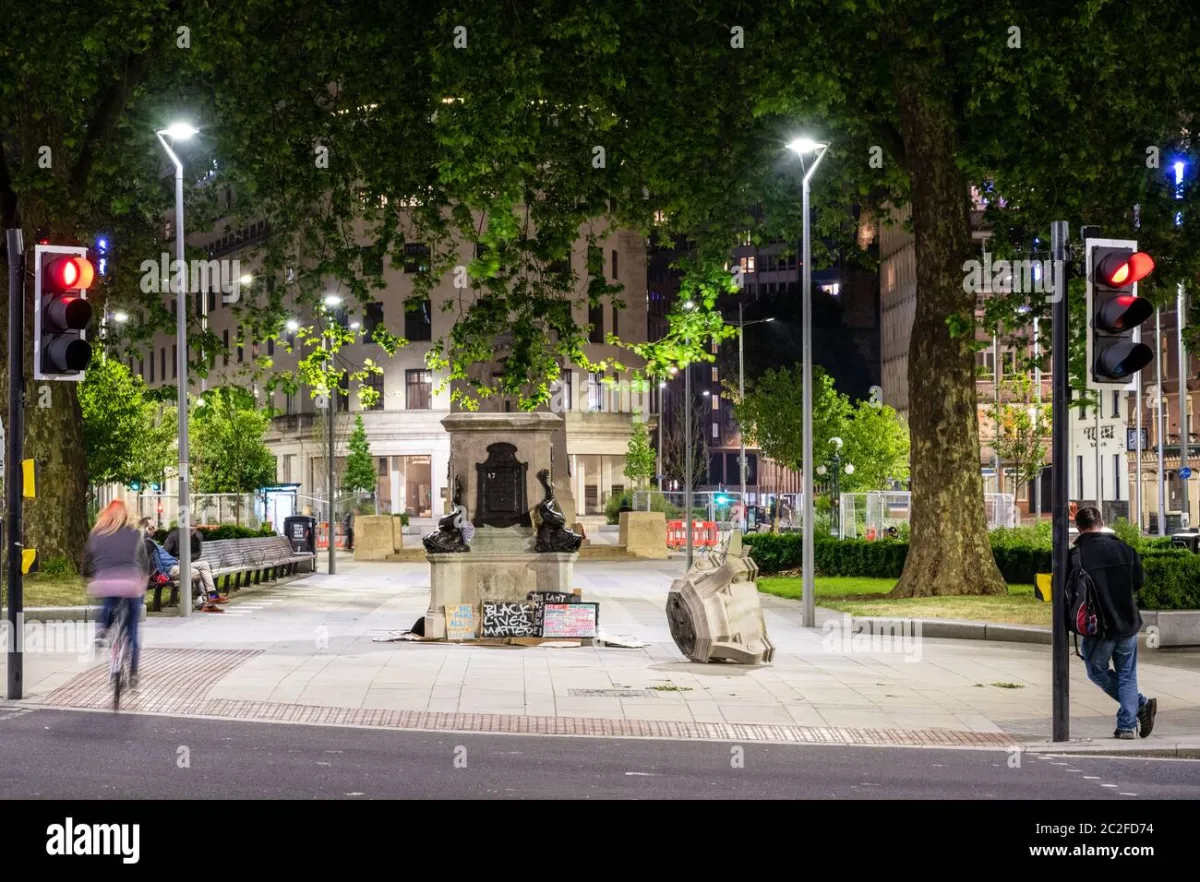 Photo: Edward Colston, via c8.alamy.com
In London, Tower Hamlets Council considered renaming Salmon Lane because the word 'salmon' allegedly had colonial connotations. Greenwich Council spent months debating whether to rename streets named after naval heroes because of their association with British imperial expansion. Meanwhile, Edinburgh Council launched a review of all street names to identify potential 'offensive' associations.
The intellectual incoherence is stunning. If British history before 1960 is inherently problematic, why stop at street names? Should we demolish Westminster Abbey because medieval kings were violent? Should Oxford and Cambridge be renamed because their founders held views unacceptable to modern sensibilities?
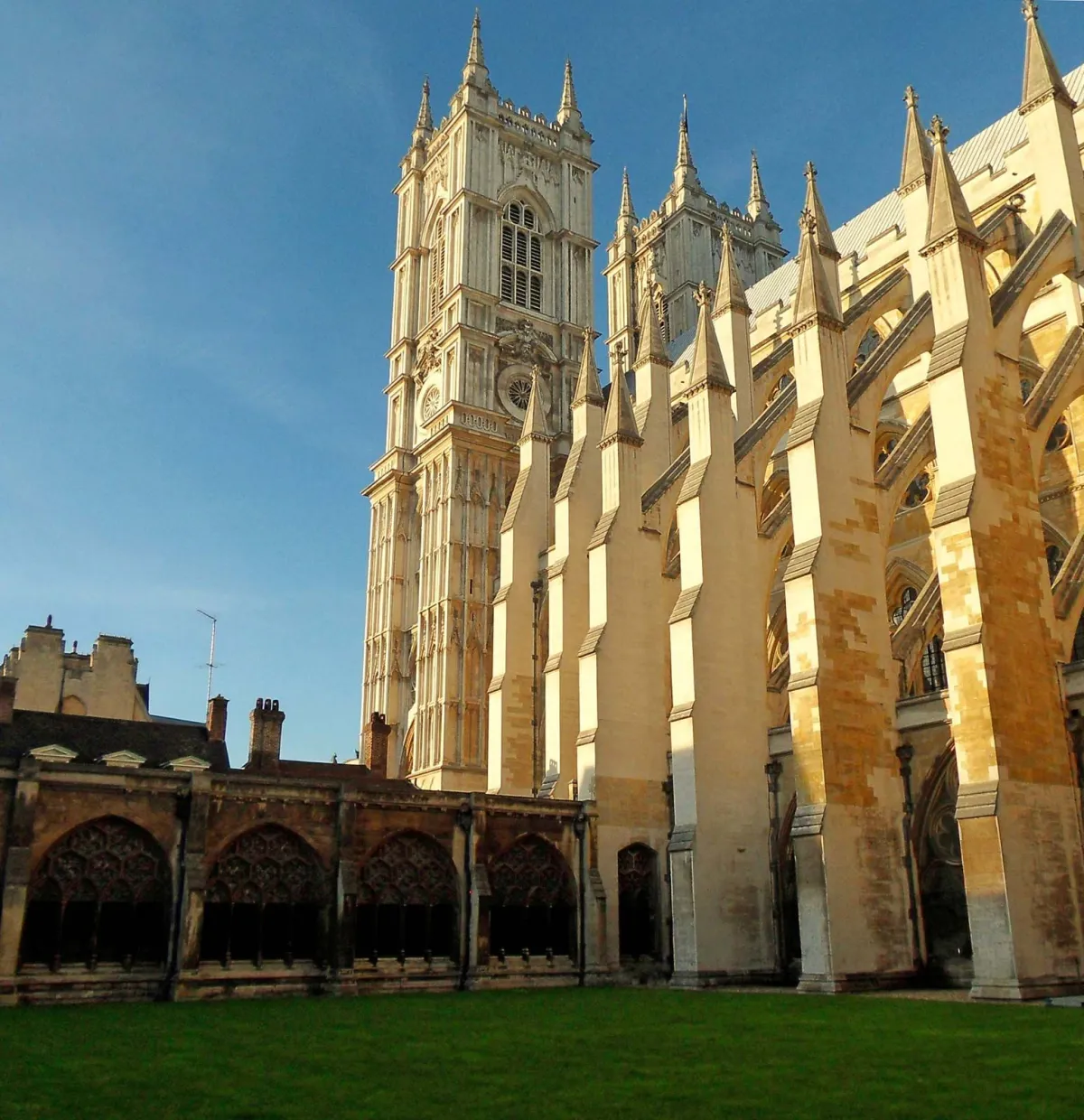 Photo: Westminster Abbey, via cdn.britannica.com
This selective historical vandalism reveals its true purpose: not historical accuracy, but contemporary political signalling. The same councils eager to erase Churchill or Nelson show little interest in examining the Communist sympathisers, anti-Semites, or authoritarian apologists whose names grace their streets.
The Financial Cost of Virtue Signalling
While councils plead poverty and cut essential services, they somehow find millions for historical revisionism. Birmingham City Council, which declared effective bankruptcy in 2023, still allocated £50,000 to review potentially 'problematic' street names. Camden Council spent £80,000 on 'community consultation' about renaming streets with imperial associations.
These figures represent only direct costs. The administrative burden is far greater: council officers attending endless committee meetings, heritage consultants producing reports nobody reads, and legal fees for navigating the bureaucratic maze of name changes. Meanwhile, residents face council tax increases to fund services these same councils claim they cannot afford.
The opportunity cost is even more damaging. Every hour spent debating whether Admiral Nelson was sufficiently enlightened for contemporary tastes is an hour not spent fixing potholes, improving schools, or tackling crime. This misallocation of resources reveals how far local government has drifted from its core purpose.
Labour's Cultural Instincts
Keir Starmer's government has done nothing to discourage this trend. Indeed, Labour's instincts align perfectly with the historical revisionism sweeping through council chambers. During the 2020 statue controversies, Starmer took the knee for Black Lives Matter while refusing to condemn the illegal toppling of public monuments.
This isn't accidental. Labour's coalition increasingly depends on university-educated professionals who view British history as an embarrassing catalogue of oppression. These voters don't live in the communities where Churchill Streets and Nelson Roads provide daily reminders of national heritage. They experience history as an abstract intellectual exercise, not as the lived culture of working-class Britain.
The political calculation is cynical but clear. Labour gains more votes from metropolitan liberals who applaud historical iconoclasm than it loses from traditional communities who value their heritage. In the electoral arithmetic of modern progressivism, historical memory is expendable.
The Conservative Case for Historical Memory
Conservatives must make an affirmative case for preserving historical names and monuments, not merely play defensive politics. This isn't about defending every historical figure or denying the complexity of British history. It's about understanding why historical memory matters for social cohesion and national identity.
Street names and public monuments serve as daily reminders of shared inheritance. They connect communities to stories larger than themselves and provide common reference points across class and cultural divides. When councils erase these connections, they fragment the social fabric that holds diverse communities together.
Moreover, historical revisionism sets a dangerous precedent. If today's activists can erase yesterday's heroes, what prevents tomorrow's ideologues from erasing today's? The principle that public memory should reflect contemporary political fashion opens the door to endless cycles of historical vandalism.
The conservative approach should emphasise addition, not subtraction. Instead of removing Churchill's statue, commission one of Mary Seacole. Rather than renaming Nelson Street, create new streets honouring overlooked contributions to British life. This approach enriches historical understanding without destroying existing connections.
International Comparisons Reveal British Weakness
Other nations provide instructive contrasts. France preserves streets named after Napoleon despite his authoritarian legacy and involvement in slavery. Germany maintains monuments to Bismarck despite his militaristic policies. Italy retains countless references to Roman emperors who practiced slavery and conquest.
These countries understand that historical figures must be judged by their times, not ours. They recognise that erasing complex legacies impoverishes rather than enriches historical understanding. Most importantly, they refuse to let contemporary political movements dictate their relationship with the past.
Britain's historical self-flagellation is uniquely destructive. No other major democracy subjects its heritage to such systematic deconstruction. This cultural cringe reflects deeper problems: declining historical education, weakening national confidence, and the capture of cultural institutions by ideological activists.
The Path to Historical Sanity
Conservatives should propose concrete reforms to end this historical vandalism. First, central government should require council referendums before any street name changes, ensuring local communities rather than activist minorities make these decisions.
Second, heritage protection should extend beyond buildings to include street names and public monuments with historical significance. The planning system that prevents inappropriate development should also prevent inappropriate historical revisionism.
Third, councils should face financial penalties for frivolous name changes. If Birmingham can find money for historical audits while claiming bankruptcy, it clearly has misplaced priorities that central government should correct.
Most importantly, conservatives must articulate why historical memory matters. Britain's streets and squares tell the story of a remarkable civilisation that, despite its flaws, gave the world parliamentary democracy, the rule of law, and the abolition of slavery. These achievements deserve celebration, not erasure.
The war on British history isn't really about historical accuracy; it's about cultural power. Those who control the past shape the future. Conservatives who surrender historical memory will find they have nothing left to conserve.
Britain's streets should tell the story of British achievement, not progressive guilt—and it's time to defend that principle before the last Churchill Street becomes another Diversity Drive.