A £15 Billion Experiment in Bureaucratic Recklessness
The statistics are stark, and they are damning. Since 2014, Highways England has spent over £15 billion converting Britain's motorways into so-called 'smart' roads, removing hard shoulders and replacing them with variable speed limits and emergency refuge areas. The result? A demonstrable increase in serious accidents and fatalities that any competent risk assessment should have predicted.
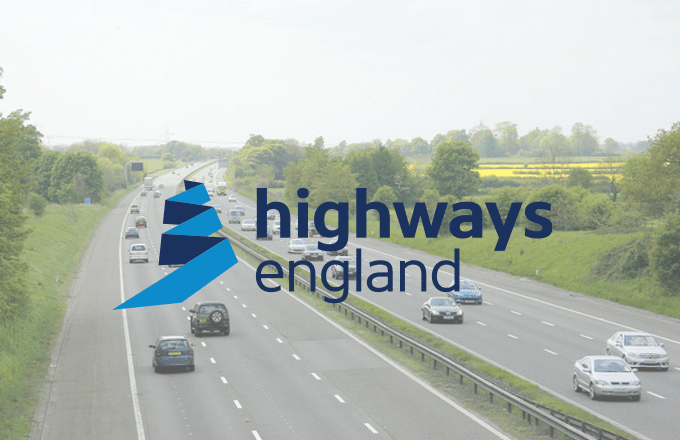 Photo: Highways England, via www.version1.com
Last month's coroner's report into the death of Jason Mercer and Alexandru Murgeanu on the M1 near Sheffield delivered a verdict that should shame every civil servant involved: the men died because there was "nowhere to go" when their vehicles broke down. The smart motorway design, the coroner concluded, presented an "ongoing risk of future deaths."
This was not an isolated tragedy. It was the predictable outcome of a policy that prioritised theoretical traffic flow over basic road safety—and continued long after the evidence of its dangers became undeniable.
The Ideology Behind the Idiocy
Smart motorways emerged from the same technocratic mindset that gave us the NHS IT disaster and the Universal Credit shambles: the belief that complex problems can be solved through expensive technology and bureaucratic cleverness, rather than practical common sense.
The original pitch was seductive to Treasury bean-counters. Rather than building new motorway capacity—expensive, time-consuming, and politically difficult—Highways England promised to squeeze 33% more traffic onto existing roads through "dynamic traffic management." Variable speed limits would smooth traffic flow, they claimed, whilst emergency refuge areas every 1.5 miles would provide adequate safety for broken-down vehicles.
What they failed to adequately account for was human behaviour under stress. When your car breaks down in the inside lane of a motorway with traffic thundering past at 70mph, the theoretical availability of a refuge area three-quarters of a mile away is of precisely no use whatsoever.
The Warning Signs Were Ignored
By 2018, the safety concerns were impossible to ignore. The Transport Select Committee warned that smart motorways were "unsafe" and called for a moratorium on new schemes. The AA reported a 20% increase in casualties on smart motorway sections compared to conventional motorways. Police forces across the country raised concerns about response times to incidents.
Yet Highways England pressed on. Internal documents later revealed that the agency was aware of the safety risks but continued with the programme anyway, apparently more concerned with hitting delivery targets and spending budgets than protecting road users.
This is not merely institutional failure—it is institutional contempt for the people these organisations are supposed to serve. When presented with clear evidence that their policy was killing people, the response was not to stop and reconsider, but to commission more studies and tweak the parameters.
The Human Cost of Technocratic Arrogance
Behind every statistic is a family destroyed by preventable tragedy. Nargis Begum, whose husband Zahid Ahmed died on the M1, has spent years fighting for accountability that never comes. Claire Mercer, whose husband Jason was killed alongside Alexandru Murgeanu, has become an unlikely campaigner for road safety—a role she should never have needed to assume.
These are not "acceptable losses" in some grand transport strategy. They are the direct result of policy decisions made by people who will never face consequences for their failures, implementing systems they will never have to use themselves.
The Conservative Case for Accountability
A genuinely conservative approach to infrastructure would have prevented this disaster. Conservative principles demand that government programmes be judged by their results, not their intentions. They insist on accountability for failure, transparency in decision-making, and above all, that the state exists to serve its citizens rather than its own institutional interests.
Instead, we have witnessed the worst of big government: vast spending with minimal oversight, bureaucratic momentum that overrides common sense, and a complete absence of personal responsibility when things go wrong. No one at Highways England has been fired. No minister has resigned. The programme was quietly scaled back in 2022, but only after years of mounting evidence and public pressure.
The Path Forward
The smart motorway scandal demands more than cosmetic reforms. It requires a fundamental rethinking of how major infrastructure projects are conceived, delivered, and evaluated. Future schemes must be subject to rigorous, independent safety assessments before implementation, not retrospective justification after the fact.
More importantly, there must be personal accountability for failure. Civil servants who ignore safety warnings should face career consequences. Ministers who rubber-stamp dangerous policies should be held responsible. The current system, where failure is rewarded with reorganisation and fresh budgets, is unsustainable in a democracy.
The families who have lost loved ones on smart motorways deserved better from their government—and so do the millions of Britons who use these roads every day, trusting that basic safety considerations have been properly addressed.
Conclusion
The smart motorway programme stands as a monument to everything that is broken about modern British governance: the triumph of process over purpose, the elevation of theory over reality, and the complete absence of accountability for catastrophic failure. Until we address these underlying pathologies, the next scandal is already being planned in a Whitehall office somewhere, justified by another PowerPoint presentation that confuses complexity with competence.