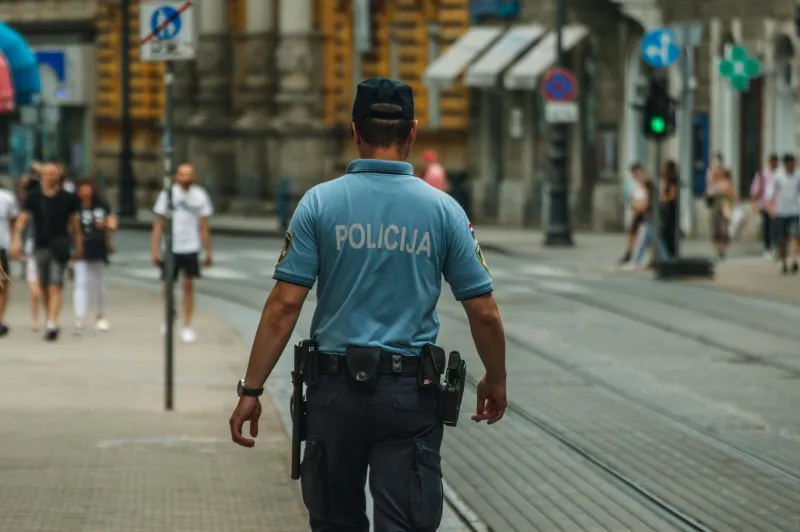
When Did Police Stop Policing?
Last month, a constituent wrote to their MP with a simple question that speaks to the heart of Britain's law and order crisis: "Why haven't I seen a police officer in my neighbourhood for six months?" The answer reveals a profound transformation in British policing that has occurred largely beneath public radar, as forces have systematically abandoned visible, deterrent-based policing in favour of bureaucratic box-ticking and ideological compliance monitoring.
Home Office statistics confirm what every British resident already knows: neighbourhood policing has collapsed. The number of dedicated neighbourhood officers has fallen by 40% since 2010, while response times for non-emergency calls have doubled. Meanwhile, forces have expanded their "hate crime" units, diversity training budgets, and social media monitoring capabilities. The message is unmistakable: modern British policing cares more about pronouns than prolific offenders.
The Great Retreat from the Streets
The transformation becomes stark when examining how police time is allocated. Metropolitan Police data shows officers now spend an average of just 11% of their shifts on visible patrol, compared with 23% in 2010. The remainder is consumed by paperwork, court appearances, and what senior officers euphemistically term "community engagement"—which increasingly means attending diversity workshops and monitoring Twitter for offensive posts.
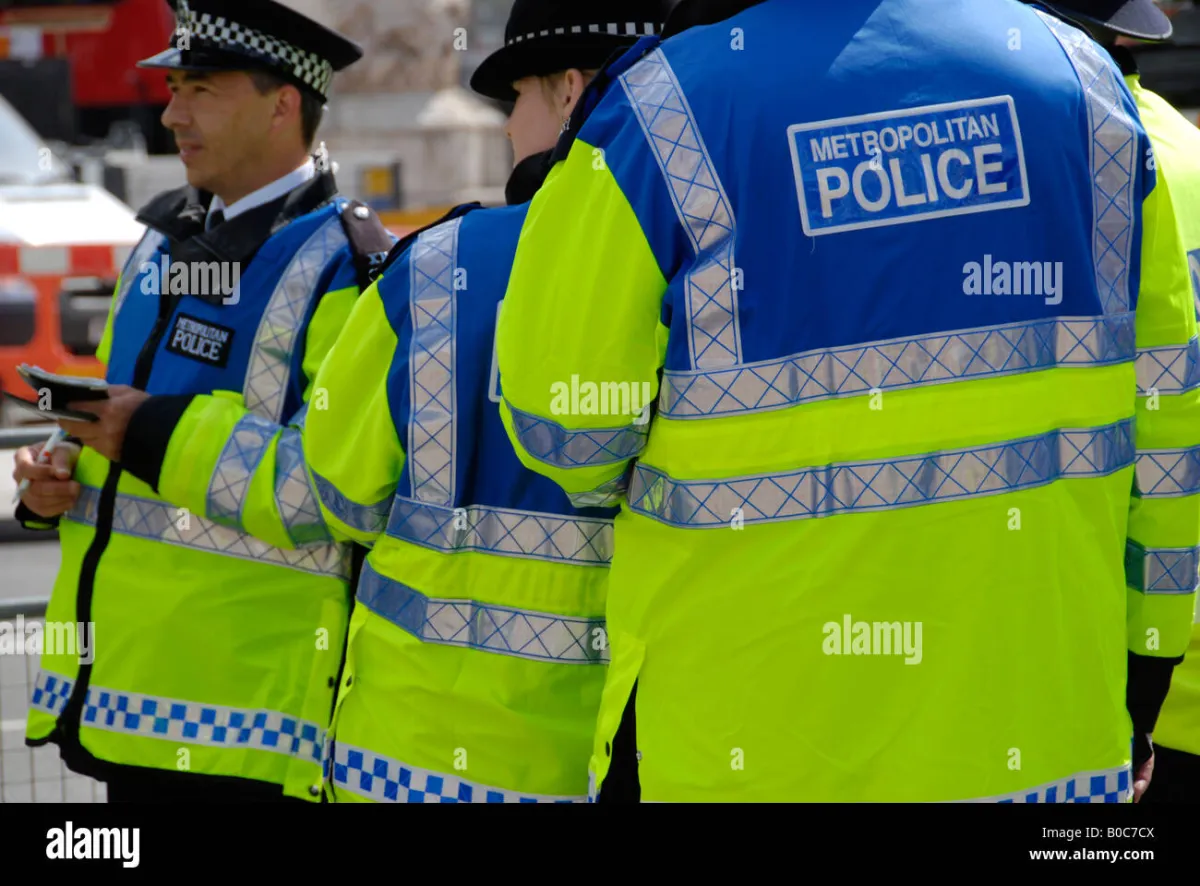 Photo: Metropolitan Police, via c8.alamy.com
This retreat from street-level policing has occurred despite repeated government promises to restore neighbourhood teams. The 20,000 additional officers recruited since 2019 have largely been absorbed into specialist units focused on cyber-crime, counter-terrorism, and hate speech investigation, while burglary detection rates have plummeted to 6.3%—meaning 94% of break-ins go unsolved.
The human cost is measurable in both crime statistics and public confidence polling. Antisocial behaviour incidents have risen 34% since 2019, while public confidence in police effectiveness has fallen to its lowest level since records began. Citizens report feeling abandoned by a service that increasingly resembles a graduate social work programme rather than a deterrent force.
The Diversity Distraction
Perhaps no trend better illustrates policing's wrong turn than the explosion in "equality, diversity and inclusion" spending. Forces across England and Wales now employ over 400 full-time EDI officers—more than the total number of neighbourhood police covering some entire counties. The Metropolitan Police alone spends £15 million annually on diversity training, unconscious bias workshops, and cultural competency programmes, while claiming budget constraints prevent adequate street patrol coverage.
This resource allocation reflects a fundamental misunderstanding of police legitimacy. Community confidence flows not from officers' demographic characteristics or sensitivity training certificates, but from their visible presence and operational effectiveness. A police force that cannot prevent shop theft or respond promptly to domestic violence calls loses public support regardless of how many diversity awards it wins.
The obsession with representation metrics has also distorted recruitment priorities. Forces now routinely reject experienced candidates who fail "values-based" interviews designed to screen for ideological compliance, while fast-tracking graduates with sociology degrees but no practical experience of conflict resolution or public order maintenance. The result is a police service increasingly staffed by individuals who view their role as social engineering rather than law enforcement.
The Hate Speech Mirage
Simultaneously, police resources have been diverted toward investigating "non-crime hate incidents"—reports of offensive speech that, while not criminal, are recorded and investigated to demonstrate commitment to community cohesion. College of Policing guidance requires officers to investigate any reported incident where the victim perceives hostility based on protected characteristics, regardless of intent or context.
 Photo: College of Policing, via policing.tv
This policy has created perverse incentives that consume thousands of officer hours investigating playground disputes, neighbourhood arguments, and social media disagreements while serious crimes go undetected. Hampshire Police, for example, recorded 1,486 hate incidents in 2023 while solving just 892 burglaries—suggesting officers are more likely to investigate hurt feelings than home invasions.
The Crown Prosecution Service's own data reveals the futility of this approach: 73% of hate crime investigations result in no further action, while conviction rates remain below 15%. Meanwhile, prolific offenders exploit police absence from the streets to operate with impunity, knowing response times have lengthened and detection rates have collapsed.
Why Conservative Reform Matters
The policing crisis represents a classic case study in institutional capture by progressive ideology. Senior officers, trained in university criminology departments that prioritise social justice theory over practical crime prevention, have imported academic fashions that actively undermine operational effectiveness. The result is a police service that excels at virtue signalling while failing at its core mission of protecting person and property.
Conservative reform must begin with clarity about policing's primary purpose: deterring crime through visible presence and detecting criminals through competent investigation. This requires reversing the resource allocation that has stripped neighbourhood teams to fund diversity bureaucracies, while refocusing police training on practical skills rather than ideological compliance.
Specifically, this means mandating that 75% of police time is spent on visible patrol, investigation, or direct crime prevention activities. Forces should be required to justify any spending on EDI programmes against opportunity costs in terms of officer hours removed from operational duties. The College of Policing's guidance on hate incidents should be scrapped entirely, with officers instructed to focus on actual crimes rather than perceived slights.
The Democratic Mandate for Change
Public polling consistently shows overwhelming support for traditional policing approaches. YouGov research indicates 78% of voters want more visible patrol officers, while just 12% consider diversity training a police priority. Even among ethnic minority respondents, operational effectiveness ranks far higher than representation concerns when evaluating police performance.
This democratic mandate extends across party lines because crime affects everyone regardless of political affiliation. The elderly Labour voter whose pension is stolen by a pickpocket cares nothing for the thief's protected characteristics—she wants him caught and prosecuted. The young professional whose car is vandalised wants visible patrols that deter future incidents, not awareness sessions about unconscious bias.
Conservatives who fail to champion this agenda cede law and order—historically their strongest suit—to populist challengers who promise simple solutions to complex problems. The answer is not authoritarian overreach but professional competence: police who patrol, investigate, and arrest rather than pontificate, facilitate, and apologise.
Reclaiming the Streets
Britain's policing crisis is ultimately a crisis of institutional purpose. When police forces lose sight of their core mission—protecting the public from criminal predation—they become expensive social work agencies with arrest powers. The solution requires not just additional resources but fundamental reform of priorities, training, and accountability structures.
The neighbourhood policing model that served Britain well for generations remains valid: visible officers who know their patch, respond quickly to calls, and maintain order through presence rather than paperwork. Restoring this approach requires conservative politicians willing to confront police bureaucracies that prefer diversity seminars to dawn raids.
Britain's streets feel lawless because, increasingly, they are—but this reflects political choice, not inevitable decline.