The Nationalisation Fantasy: Why Labour's Plan to Take Back the Railways Will Cost Every Taxpayer a Fortune
Labour's shadow transport secretary has confirmed what many suspected: the party intends to bring Britain's railways back under full state control as existing franchises expire. Sold as a remedy for expensive fares and delayed services, this policy represents one of the most expensive exercises in political nostalgia since the 1970s. The evidence from decades of nationalised rail operations tells a story Labour would rather forget — one of chronic underinvestment, industrial strife, and passengers treated as an afterthought to union demands.
The Romantic Delusion of State Control
The case for rail nationalisation rests on a fundamental misunderstanding of how public ownership actually works. Labour politicians speak of taking the railways "back into the hands of the people," as if privatisation somehow removed democratic accountability rather than introducing market discipline. This rhetoric ignores the inconvenient truth that when politicians control the railways, electoral cycles trump passenger needs, and Treasury constraints override operational requirements.
British Rail, which operated from 1948 to 1997, provides the historical template for what state ownership delivers. Chronic underfunding led to a network in terminal decline by the 1980s, with ageing rolling stock, crumbling infrastructure, and a safety record that culminated in disasters like Clapham Junction. The Beeching cuts of the 1960s — closing thousands of miles of track — were not the product of market failure but political expedience, as governments prioritised road building over rail investment.
 Photo: Clapham Junction, via www.thirdspace.london
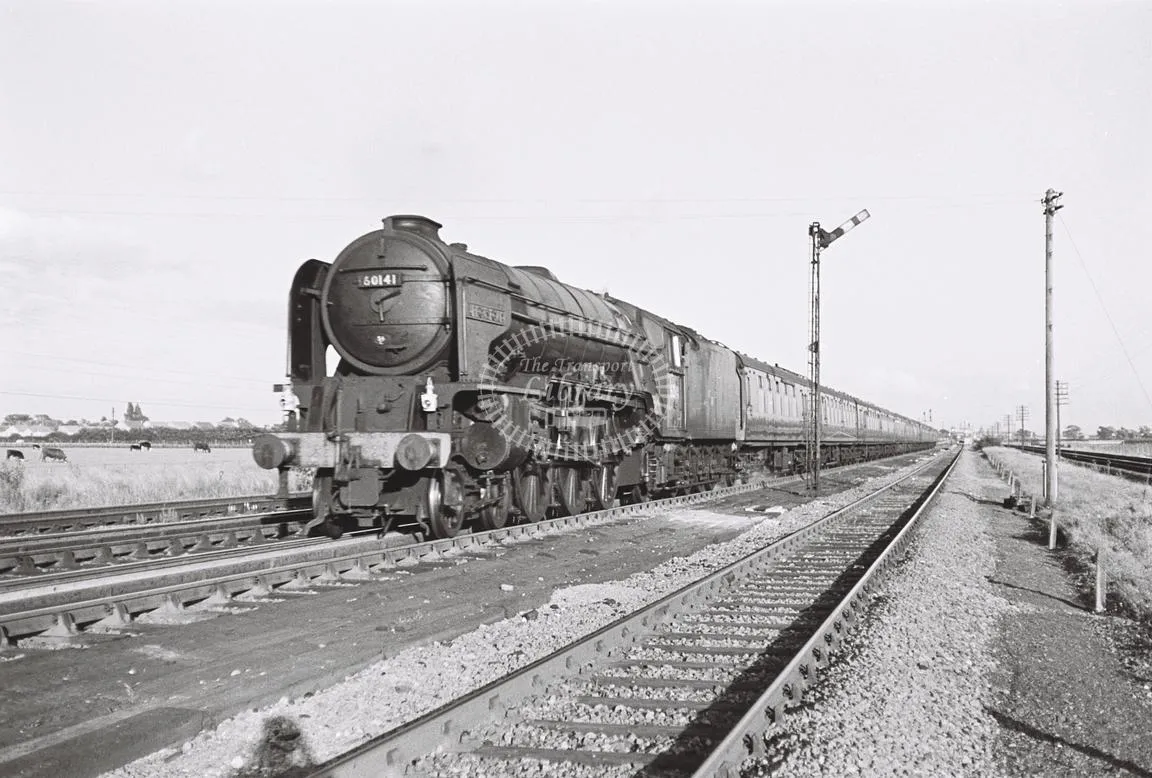 Photo: British Rail, via di262mgurvkjm.cloudfront.net
The Numbers Don't Lie
Today's railway statistics paint a picture that contradicts Labour's narrative of privatisation failure. Passenger numbers have doubled since the mid-1990s, reaching record levels before the pandemic. Safety performance has improved dramatically — Britain now has one of Europe's safest railway networks. Investment in new rolling stock and infrastructure improvements has exceeded anything seen under British Rail, with private operators contributing billions in franchise premiums and direct investment.
The financial reality of nationalisation is stark. Analysis by the Centre for Policy Studies estimates that bringing the railways back into public ownership would cost taxpayers between £20-30 billion in compensation to existing operators, followed by annual subsidies that would dwarf current support levels. When East Coast rail briefly returned to state control between 2009 and 2015, it required government bailouts totalling over £2 billion — money that came directly from general taxation rather than passenger revenues.
The German Model That Isn't
Labour frequently cites European examples, particularly Germany's Deutsche Bahn, as evidence that state ownership works better. This comparison reveals either wilful ignorance or deliberate deception. Deutsche Bahn operates in a competitive market, facing private competitors on many routes. Its punctuality rates have declined in recent years, with long-distance services achieving just 75% on-time performance in 2023 — worse than many British operators. Moreover, German taxpayers subsidise their railways to the tune of €17 billion annually, equivalent to around £200 per person.
 Photo: Deutsche Bahn, via 3.bp.blogspot.com
The inconvenient truth is that successful European rail systems combine public infrastructure investment with private operation and genuine competition. Countries like the Netherlands and Sweden have embraced competitive tendering and private operators while maintaining public ownership of track and stations. Labour's model, by contrast, represents a return to the monopolistic state control that failed so comprehensively in the past.
Union Power and Political Interference
Nationalisation would inevitably strengthen the hand of rail unions, whose leaders have already endorsed Labour's plans with undisguised enthusiasm. Under private ownership, operators must balance union demands against commercial reality and passenger needs. State ownership removes this discipline, creating the conditions for the kind of industrial action that paralysed British Rail in the 1970s and 1980s.
Political interference represents another hidden cost of nationalisation. Ministers would face constant pressure to subsidise unprofitable routes for electoral reasons, suppress fare increases during election years, and prioritise short-term political gains over long-term network development. The planning horizon for railway investment extends decades, but political horizons rarely extend beyond the next election cycle.
The Innovation Deficit
Private operators have driven innovation in ways that state monopolies never could. From mobile ticketing to dynamic pricing, competitive pressure has forced improvements that benefit passengers. The introduction of new train fleets by operators like Virgin and LNER demonstrates how private investment can transform passenger experience in ways that cash-strapped government departments cannot match.
Nationalisation would inevitably stifle this innovation. State-run industries become risk-averse bureaucracies where procurement decisions are driven by political considerations rather than passenger benefit. The lengthy delays in modernising London Underground's signalling systems, despite billions in public investment, illustrate how public ownership can become a barrier to technological progress.
The Real Alternative
Britain's railways need reform, but nationalisation represents precisely the wrong direction. The answer lies in genuine competition, transparent subsidy arrangements, and regulatory reform that puts passenger interests first. Opening routes to competitive bidding, allowing private investment in infrastructure, and removing barriers to new entrants would deliver better outcomes than returning to the failed model of state monopoly.
The Conservative approach should embrace market solutions while addressing legitimate concerns about affordability and accessibility. This means reforming the franchise system to encourage innovation, ensuring transparent pricing, and targeting public subsidy where it can deliver genuine social benefits rather than propping up political vanity projects.
The Bill Comes Due
Labour's nationalisation fantasy represents the triumph of ideology over evidence, nostalgia over pragmatism. When the state runs the railways, passengers become captive customers of a monopoly that answers to politicians rather than markets. The cost falls on taxpayers who fund the inevitable subsidies, workers whose jobs depend on political favour rather than commercial success, and passengers who must accept whatever service the state deigns to provide.
Rail nationalisation is not about putting passengers first — it is about putting unions and politicians first, with everyone else picking up the bill.