A quiet scandal is unfolding across Britain's housing system. While British families endure waits of over a decade for social housing, asylum seekers granted refugee status are being moved from expensive hotel accommodation into council properties within months. This is not an accident of bureaucracy—it is the deliberate consequence of a housing allocation system that prioritises recent arrivals over citizens who have contributed to the system for generations.
The Numbers Don't Lie
The scale of this injustice becomes clear when examining local authority data. In Birmingham, the average wait for a three-bedroom council property is 13 years for existing residents, yet the city council's own statistics show that refugees are housed within an average of 8 months of status determination. Similar patterns emerge across England: Tower Hamlets reports 12-year waits for British families versus 6-month turnarounds for refugees, while Manchester's figures show a stark 15-year versus 10-month divide.
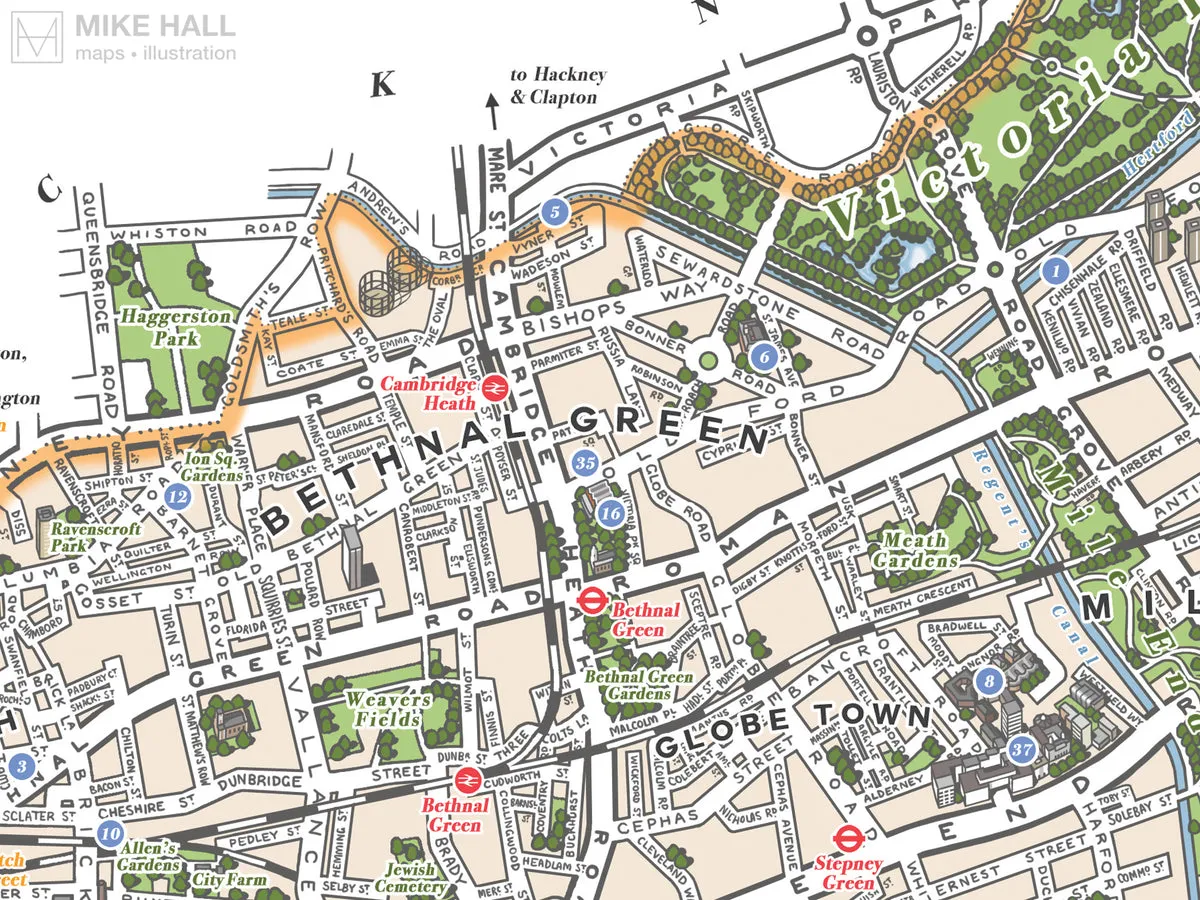 Photo: Tower Hamlets, via shop.thisismikehall.com
These disparities exist because of the legal framework governing refugee resettlement. Under the Housing Act 1996, local authorities have a statutory duty to provide 'suitable accommodation' to recognised refugees, creating an effective fast-track system that bypasses normal allocation criteria based on local connection, contribution history, and waiting time.
The Hotel Exit Strategy
The mechanics of this pipeline are straightforward but devastating for social cohesion. Asylum seekers arrive and are housed in hotels at enormous public expense—currently £8 million per day nationally. Upon receiving refugee status, they become eligible for permanent housing, and local authorities, desperate to reduce hotel costs and meet statutory obligations, move them immediately into available social housing stock.
This creates a perverse incentive structure where the most expensive temporary accommodation generates the fastest route to permanent housing. Meanwhile, British families who cannot afford private rent but earn too much for emergency accommodation find themselves trapped in an interminable queue, watching properties they might have accessed go to newcomers with no local ties.
The Progressive Blind Spot
Advocates for this system argue that refugees face unique vulnerabilities and that housing them quickly prevents destitution. This misses the fundamental point: creating a two-tier system where citizenship provides fewer housing rights than refugee status is both unjust and politically unsustainable. When working British families cannot access the social housing their taxes fund while recent arrivals receive priority treatment, the social contract breaks down.
The argument that refugees have 'nowhere else to go' ignores the reality that British families on council waiting lists often live in overcrowded, unsuitable, or unaffordable accommodation. A single mother in temporary accommodation who has waited eight years for a council flat has not chosen her circumstances any more than a refugee has chosen theirs.
The Scale of Displacement
Government figures show that 89,398 people were granted refugee status or humanitarian protection in the year ending September 2023—the highest number since records began. With family reunion rights, this number multiplies significantly. Each of these individuals enters the housing system with immediate priority over British citizens who may have been waiting since before these refugees even arrived in the country.
The impact on housing supply is devastating. Analysis by the Centre for Policy Studies estimates that refugee housing allocations account for approximately 15% of all new social housing lettings in England, despite refugees representing less than 1% of the population. This proportion rises dramatically in areas with high refugee populations, where local families find themselves effectively locked out of their own housing system.
The Political Cover-Up
Successive governments have refused to acknowledge this problem because it exposes the fundamental contradiction in immigration policy: promising controlled immigration while operating a system that prioritises newcomers over existing residents in the most basic public service of all. The housing crisis provides perfect cover—blame shortage of supply rather than admit that demand is being artificially inflated by immigration policies that create instant entitlements.
Local authorities, caught between statutory duties and angry residents, have become complicit in this deception. Council housing allocation policies are deliberately opaque, with complex points systems that obscure the reality of refugee priority. Freedom of Information requests about housing allocation by immigration status are routinely refused on grounds of 'community cohesion'—a euphemism for preventing voters from learning how their own system works against them.
The Conservative Solution
A genuine conservative approach would restore the principle that citizenship should mean something. This requires three fundamental changes: first, removing the statutory duty to house refugees immediately, replacing it with inclusion in normal allocation systems based on contribution and local connection; second, requiring refugees to demonstrate integration—including English language proficiency and employment—before accessing social housing; and third, giving British citizens explicit priority in housing allocation.
Critics will claim this is 'discriminatory,' but discrimination in favour of one's own citizens is not a failing of democracy—it is its essence. Every other public service operates on the principle that those who contribute should receive priority. Housing should be no different.
Beyond the Queue
This scandal reveals a deeper truth about modern Britain: a political class so disconnected from ordinary voters that it cannot understand why prioritising foreign nationals over British families might be problematic. The housing queue has become a metaphor for a country that no longer puts its own people first, and the electoral consequences of this betrayal are only beginning to unfold.
The migrant hotel-to-council house pipeline is not just housing policy failure—it is a fundamental breach of the social contract that makes democratic government possible.