
The Great British Property Con
In 21st-century Britain, six million people believe they own their homes. They're wrong. These 'homeowners' are actually long-term tenants trapped in a medieval system that allows a parasitic landlord class to extract perpetual payments for doing absolutely nothing. Welcome to leasehold — Britain's most enduring property scandal and a perfect example of how archaic systems enrich the few at the expense of the many.
The numbers tell the story of systematic exploitation. Leaseholders across England and Wales pay an estimated £6 billion annually in ground rents, service charges, and permission fees to freeholders who contribute nothing to property maintenance, improvement, or management. These payments continue indefinitely, often escalating far beyond inflation, creating a permanent tax on property ownership that makes a mockery of the Conservative dream of a property-owning democracy.
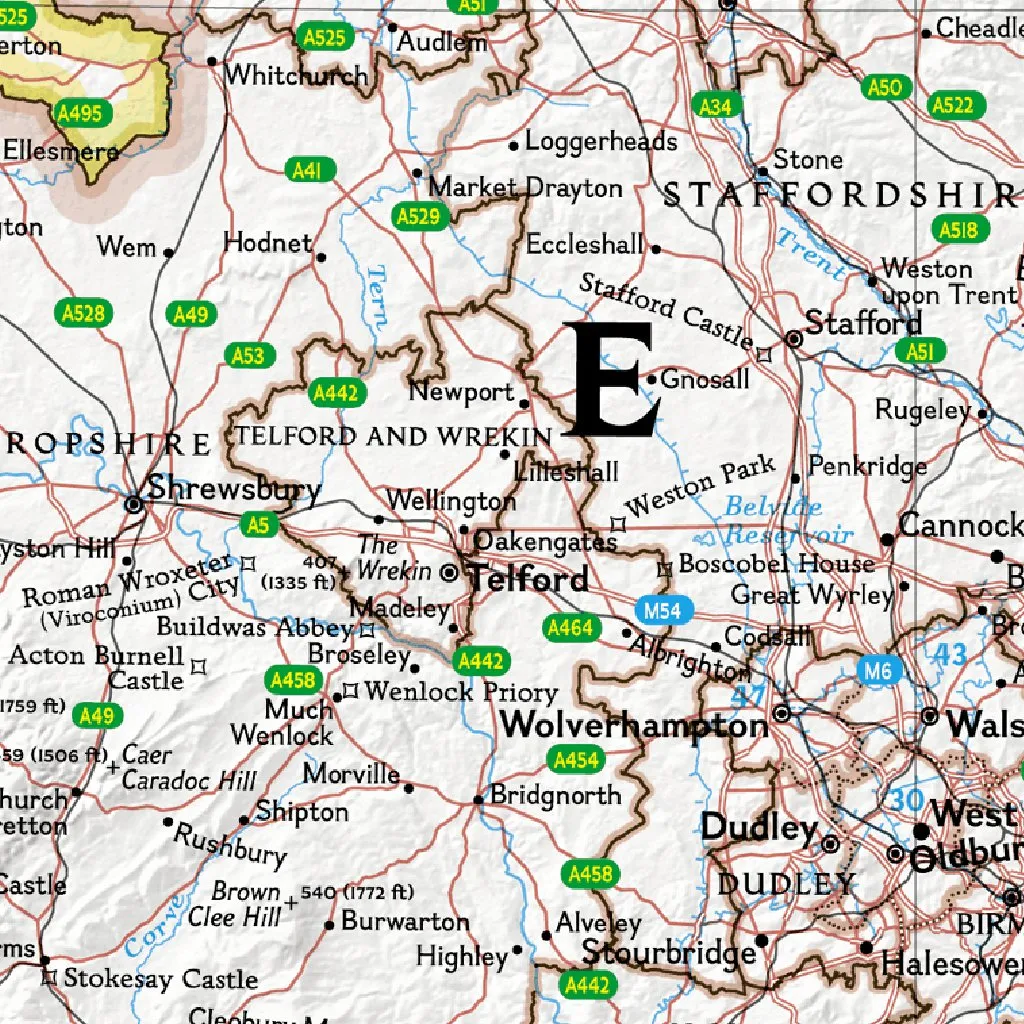 Photo: England and Wales, via store.avenza.com
The Feudal Foundations
Leasehold is a relic of Norman feudalism, where all land ultimately belonged to the Crown and was granted to nobles in exchange for military service. Today's system operates on identical principles: freeholders (the modern nobility) grant long-term occupation rights to leaseholders (modern serfs) in exchange for perpetual payments and submission to their authority.
This isn't hyperbole. Leaseholders must seek permission — and pay fees — for basic improvements to properties they supposedly own. Want to install laminate flooring? That's a £200 licence fee. Planning to get a pet? Another £150 for freeholder consent. Thinking of extending your lease when it drops below 80 years? Prepare to pay tens of thousands of pounds for the 'privilege' of continuing to live in your own home.
The system's defenders argue it provides certainty and professional management. In reality, it creates perverse incentives where freeholders profit from leaseholder misery. Ground rents double every decade in many new developments, service charges bear no relation to actual costs, and lease extensions are priced to maximise freeholder profits rather than reflect genuine value.
The New Build Nightmare
The scandal has intensified over the past two decades as developers and freeholders refined their exploitation techniques. New-build flats routinely come with ground rents starting at £300 annually but doubling every ten years — meaning a 25-year-old buying today could face £4,800 annual ground rent by retirement.
Even more perversely, major developers began selling leasehold houses — properties that have been freehold for centuries — to unsuspecting buyers who discovered too late they'd purchased a lifetime of payments to distant landlords. Taylor Wimpey, Persimmon, and other major builders made millions selling freeholds to investment companies, creating instant annuity streams from properties they no longer owned.
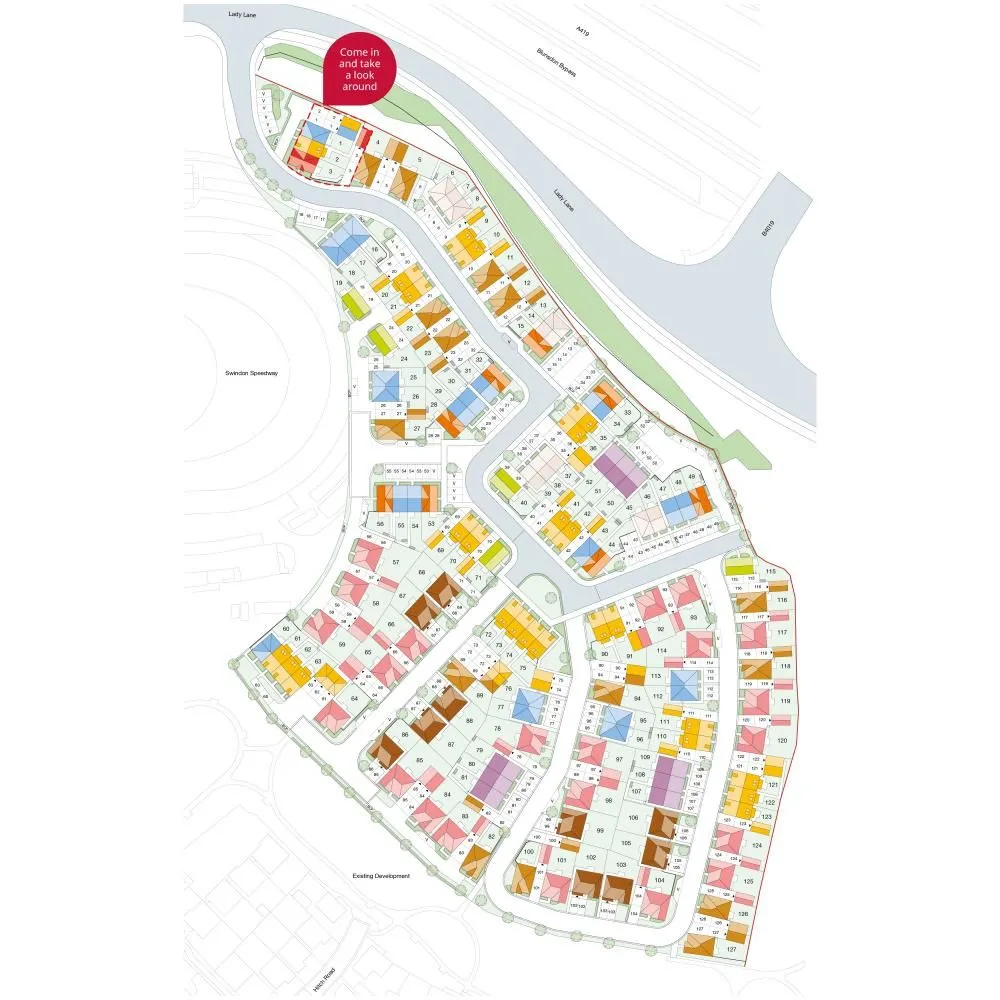 Photo: Taylor Wimpey, via swindonlink.com
The human cost is devastating. Families discover their homes are unmortgageable due to onerous ground rent clauses. Elderly leaseholders face bankruptcy from escalating service charges they cannot challenge. Young buyers find themselves trapped in properties they cannot sell, their equity consumed by an ever-expanding web of freeholder fees.
Labour's Half-Measures
The current government acknowledges the problem but proposes solutions that tinker around the edges rather than addressing the fundamental injustice. Labour's Leasehold and Freehold Reform Act caps ground rents for new leases at a nominal amount and makes lease extensions slightly cheaper — welcome changes that nonetheless leave the underlying feudal structure intact.
This approach reflects Labour's fundamental misunderstanding of property rights. They see leasehold as a consumer protection issue requiring better regulation rather than recognising it as an illegitimate system that shouldn't exist in a free society. Their reforms will help future leaseholders while abandoning the millions already trapped in the current system.
More troubling is Labour's reluctance to embrace commonhold — the obvious alternative where flat owners collectively own their building without any external freeholder. Despite decades of promises, successive governments have failed to make commonhold work, largely because it threatens the profitable leasehold industry that has captured much of the legal and property establishment.
The Conservative Solution
A genuinely conservative approach would recognise that property ownership means exactly that — ownership, not perpetual tenancy dressed up with fancy legal terminology. The solution is complete leasehold abolition for residential properties, replaced by a mandatory transition to commonhold for flats and freehold for houses.
This isn't radical but restorative — returning Britain to the property ownership principles that built Conservative electoral success. Every leaseholder should have the automatic right to purchase their freehold at a price reflecting actual value, not the inflated premiums demanded by freeholder cartels. Ground rents should be abolished entirely, and service charges should be transparent, reasonable, and democratically controlled by residents.
The transition costs are manageable and pale beside the ongoing economic damage of the current system. Freeholder compensation should reflect genuine loss of income, not speculative future profits from exploiting trapped leaseholders. The state already compulsorily purchases property for infrastructure projects; extending this principle to free millions from feudal property arrangements represents a far more legitimate use of government power.
Economic Liberation
Abolitioning leasehold would unleash billions of pounds currently trapped in the freeholder tax system. Families spending thousands annually on ground rents and service charges would redirect this money into the broader economy. Property values would stabilise without the artificial scarcity created by unmortgageable leasehold terms. Housing mobility would increase as buyers no longer need to factor in decades of escalating freeholder payments.
The construction industry would benefit from simplified property structures that don't require complex legal arrangements to extract ongoing revenues from buyers. Mortgage lenders would face reduced risks from properties with clear, uncomplicated ownership structures. Legal costs associated with lease extensions, enfranchisement, and freeholder disputes would disappear, redirecting professional services toward productive economic activity.
The Political Prize
Leasehold reform offers the Conservative Party a perfect opportunity to demonstrate genuine commitment to property ownership and individual liberty. Unlike many policy areas where conservative principles conflict with electoral popularity, leasehold abolition unites sound economics with overwhelming public support.
Polling shows 78% of voters support major leasehold reform, including 84% of Conservative supporters. Even more tellingly, 67% of current leaseholders would switch their vote to a party promising complete leasehold abolition. This represents millions of potential Conservative voters currently trapped in Labour and Liberal Democrat constituencies by a property system that makes home ownership a cruel joke.
Justice Delayed
Every day leasehold continues is another day of systematic wealth transfer from ordinary families to a rentier class that contributes nothing to economic productivity. Every ground rent payment, every permission fee, every inflated service charge represents money stolen from families who believed they were buying security and independence.
Britain's leasehold system is an feudal anachronism that has no place in a modern property-owning democracy — and only complete abolition will deliver the justice six million fake homeowners deserve.