The Fishing Industry Betrayal: How Britain Squandered the Greatest Prize of Brexit
The Broken Promise That Defined Brexit
When Boris Johnson signed the Trade and Cooperation Agreement with the European Union on Christmas Eve 2020, British fishermen were told their moment had finally come. After decades of EU quotas decimating coastal communities from Cornwall to the Highlands, Brexit would deliver what the Common Fisheries Policy had stolen: control over British waters and the right to prioritise British boats.
Three years later, that promise lies in tatters on the quayside. Despite controlling access to some of Europe's richest fishing grounds, Britain continues to allocate the majority of quota in its waters to foreign vessels. EU boats still land more fish from British waters than British ones do. The fishing industry that was supposed to be Brexit's poster child for economic sovereignty has instead become its most damning indictment.
The Numbers Don't Lie
The statistics are stark. According to the Marine Management Organisation, EU vessels caught 58% of the total fish quota in UK waters in 2023, compared to 42% for British boats. In the economically crucial North Sea, the imbalance is even more pronounced, with foreign fleets taking nearly two-thirds of the catch.
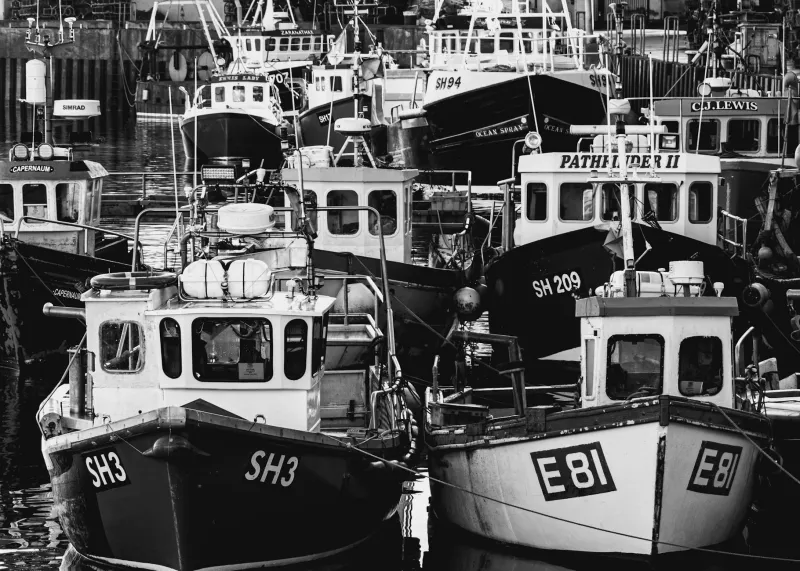
 Photo: North Sea, via www.northlandscapes.com
This isn't the gradual rebalancing that Brexit negotiators promised. Under the EU withdrawal agreement, Britain was supposed to see an annual 2.5% increase in its share of quota until 2026. Instead, the actual transfer has been minimal, hampered by complex technical calculations and EU resistance to meaningful change. The European fleet's share of British waters remains virtually unchanged from pre-Brexit levels.
For fishing communities, the human cost is devastating. The number of full-time fishermen in England and Wales has fallen by 12% since 2020, according to government statistics. Ports from Brixham to Peterhead report declining vessel numbers and ageing fleets as skippers abandon the industry they were told would boom after Brexit.
Labour's Indifference to Coastal Britain
Keir Starmer's government shows no appetite to revisit these arrangements. When pressed in Parliament about fishing quotas, ministers offer platitudes about 'constructive dialogue' with Brussels while avoiding any commitment to fighting harder for British fishermen. This shouldn't surprise anyone familiar with Labour's electoral arithmetic.
Fishing communities represent some of the most Conservative-voting constituencies in Britain. From Cornwall North to Banff and Buchan, these seats backed Brexit and trusted Conservative promises of maritime revival. Labour has no political incentive to deliver for voters who will never support them, preferring instead to prioritise its relationship with Brussels over British livelihoods.
This political calculation reveals the cynicism at the heart of modern progressivism. The same party that claims to champion working-class interests abandons them the moment those workers live in the wrong places or hold the wrong views. For Labour, solidarity ends at the M25.
The Conservative Failure
Yet Conservatives cannot escape responsibility for this betrayal. Fourteen years in power, including three with an 80-seat majority, provided ample opportunity to prioritise British fishing. Instead, Conservative governments consistently chose diplomatic convenience over domestic commitments.
The rot began with David Cameron's renegotiation failure in 2016, continued through Theresa May's capitulation to EU demands, and culminated in Johnson's rushed Christmas Eve deal that sacrificed fishing for financial services. Each compromise reflected the same establishment instinct: when forced to choose between abstract trade relationships and concrete British interests, the Foreign Office worldview always wins.
This pattern extends beyond fishing to every area where Brexit promised change. From immigration to regulation, from trade to taxation, the same dynamic repeats: big promises, modest delivery, and working-class communities paying the price for elite priorities.
What Conservative Maritime Policy Should Look Like
A genuinely conservative approach to fishing would start with a simple principle: British waters should primarily benefit British people. This means using the UK's legal right to withdraw from the Trade and Cooperation Agreement's fisheries provisions when they expire in 2026.
The economic case is overwhelming. Norway, which controls its own waters outside EU structures, has built one of the world's most successful fishing industries while maintaining sustainable stocks. Iceland's decision to withdraw from EU fisheries arrangements in the 1970s transformed its economy and proved that small nations can thrive by prioritising their own resources.
Britain should follow this model, establishing a quota system based on historical attachment to UK waters before the Common Fisheries Policy's destruction began. This would mean British boats receiving 65-70% of the catch in British waters, reflecting their traditional share before EU membership.
Critics will claim this approach risks trade retaliation or diplomatic isolation. This argument reveals the defeatist mindset that has characterised British policy for decades. The EU needs British fish markets more than Britain needs EU fishing access. German and Dutch consumers aren't going to stop buying British seafood because their fleets face reduced quotas in British waters.
Beyond Fishing: The Sovereignty Test
The fishing betrayal matters because it represents something larger: the establishment's fundamental discomfort with genuine sovereignty. Brexit was supposed to prove that Britain could govern itself in its own interests. Instead, it has revealed how deeply the instinct for diplomatic compromise has embedded itself in Whitehall culture.
Every time British negotiators choose EU convenience over British interests, they validate the Remain argument that Britain is too small and weak to chart its own course. Every quota surrendered to foreign fleets sends the message that British democracy cannot deliver for British voters.
This extends far beyond fishing to every area where Brexit promised change. If Britain cannot prioritise its own fishermen in its own waters, how can voters trust it to control immigration, reduce regulation, or pursue independent trade policies?
The Path Forward
The 2026 fisheries review provides an opportunity for redemption. A Conservative government serious about Brexit's promises would use this moment to fundamentally rebalance fishing quotas in favour of British vessels. The legal framework exists; only political will is missing.
This requires abandoning the Foreign Office's instinctive deference to EU sensibilities. British fishing communities voted for Brexit because they believed Conservative promises of change. Delivering on those promises isn't diplomatic aggression; it's democratic obligation.
The fishing industry's fate will determine whether Brexit was a genuine transfer of power from Brussels to Britain or merely a bureaucratic reshuffling that left the same people in charge. For Conservative politics to retain credibility with working-class voters, it must prove that sovereignty means something more than symbolism.
The boats are still waiting; the question is whether British politics still remembers what promises are for.