A Tax System Frozen in Time
Thirty-two years. That's how long English households have been paying council tax based on property valuations from 1991 — when John Major was Prime Minister, the Soviet Union still existed, and the average house price was £53,000. Today, with median property values exceeding £280,000, this antiquated system has created the most distorted local taxation framework in the developed world.
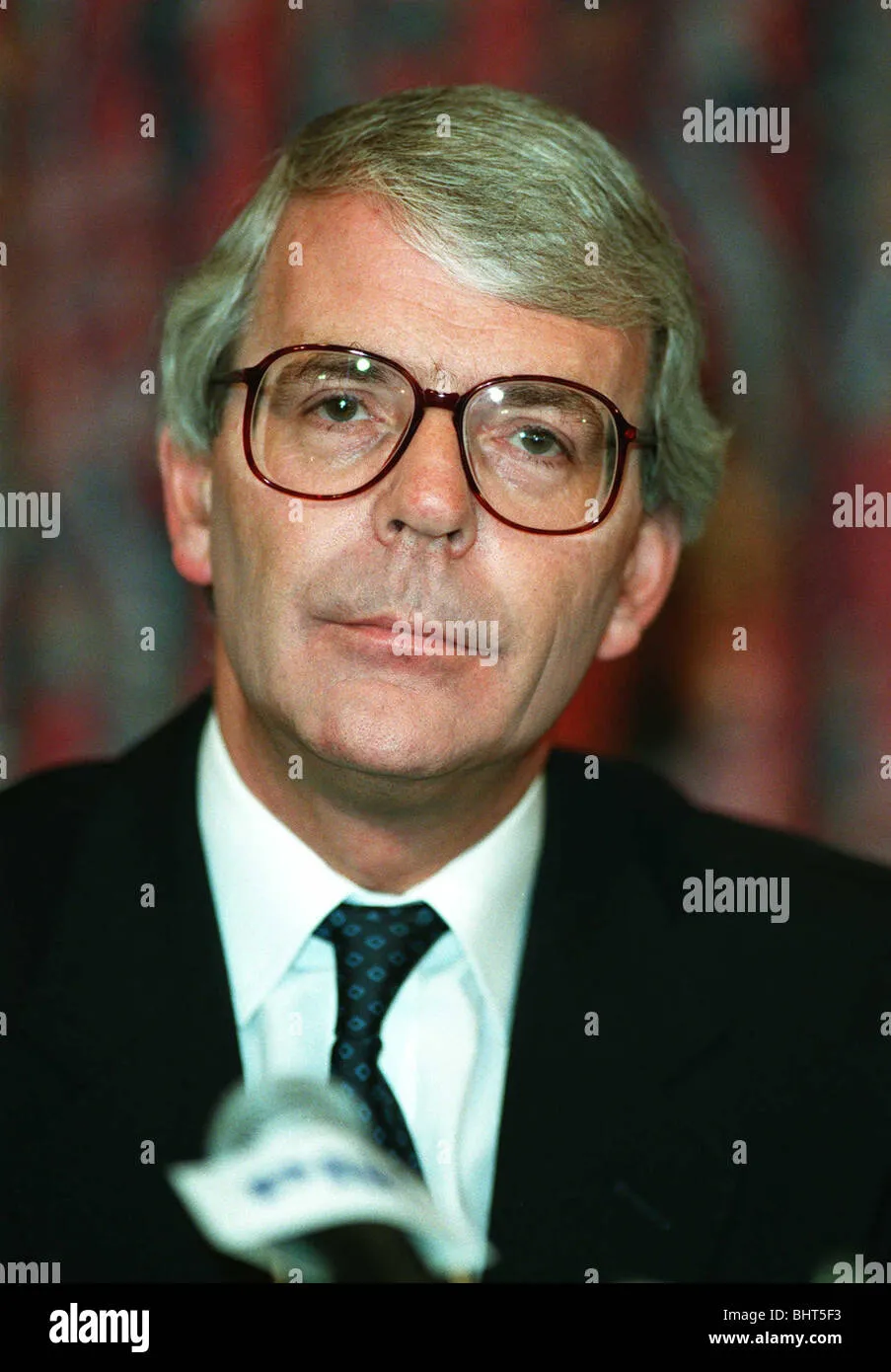 Photo: John Major, via c8.alamy.com
The consequences are as predictable as they are unfair. A modest three-bedroom terrace in a formerly working-class area that has gentrified pays the same Band D rate as when it was worth a tenth of its current value. Meanwhile, a genuine mansion in an area that has stagnated remains in Band H, paying proportionally less than its true worth. This isn't just administrative incompetence — it's a deliberate policy choice that has turned council tax into Britain's most regressive major tax.
The Spending Spree Behind the Silence
Local authorities haven't wasted this opportunity. With bands locked in place, councils have systematically increased the percentage rates within each band, safe in the knowledge that the political heat falls on central government rather than town halls. Since 2010, average council tax bills have risen by over 40% in real terms, even as many core services have deteriorated.
Take Birmingham, now effectively bankrupt despite imposing above-inflation council tax increases year after year. Or Croydon, which declared effective insolvency twice while maintaining some of the highest council tax rates in London. The pattern is clear: frozen bands have provided perfect cover for fiscal irresponsibility, allowing local politicians to blame 'government cuts' while quietly hiking bills through the back door.
The numbers tell the story. In 2010, English councils collected £22 billion through council tax. By 2023, this had reached £37 billion — a 68% increase that far outstripped inflation, population growth, or any meaningful improvement in service quality. This isn't about austerity; it's about a tax system so broken that it incentivises waste while punishing productivity.
Labour's Convenient Amnesia
Here's what makes Labour's position particularly cynical: they know exactly how unfair the current system is, yet they refuse to commit to the obvious solution. Revaluation would shift the burden from Labour's core constituencies in declining areas to the gentrified zones where their new middle-class supporters live. A Victorian terrace in Islington, worth perhaps £40,000 in 1991 and £1.2 million today, would face a substantial increase under any honest revaluation.
This explains why every Labour politician suddenly develops amnesia when asked about council tax reform. They'll happily denounce 'unfair taxation' in the abstract, but mention revaluation and watch them pivot to 'complex technical challenges' and 'the need for careful consideration.' It's political cowardice dressed up as administrative prudence.
The Welsh experience proves reform is possible. Wales completed revaluation in 2005, creating a fairer distribution that better reflects actual property values. Yes, some households saw increases, but the overall system became more progressive and locally accountable. England's refusal to follow suit isn't about technical difficulty — it's about political convenience.
The Conservative Solution
Genuine conservative reform would start with immediate revaluation, coupled with a commitment to regular updates every five to seven years. This isn't about raising more revenue — it's about distributing the burden fairly according to ability to pay. A proper conservative approach would also cap the total amount councils can raise, forcing them to prioritise essential services over vanity projects and bloated bureaucracies.
More fundamentally, conservatives should champion genuine local accountability. If councils want to spend more, they should have to ask their residents directly through local referendums on tax increases above inflation. This would end the current system where councillors can blame Westminster for unpopular decisions while quietly raiding residents' wallets.
The alternative — maintaining the status quo — means continuing to subsidise inefficiency while punishing aspiration. Young families buying their first homes in up-and-coming areas pay disproportionately high rates, while established wealth in stagnant postcodes gets a free ride. This isn't conservative; it's a protection racket for the already comfortable.
Beyond the Political Games
The broader economic implications are serious. Council tax now represents the largest single bill many households face after their mortgage, yet it's completely divorced from both property values and local service quality. This distorts housing markets, discourages improvement and mobility, and creates arbitrary winners and losers based purely on geographical accident.
Businesses suffer too. Commercial rates, linked to the same outdated system, mean companies in regenerating areas face massive bills while those in declining zones pay proportionally less. This actively discourages investment in the places that need it most — the opposite of any sensible economic policy.
The Reckoning That's Coming
Every year of delay makes eventual reform more painful. Property price divergences have only accelerated since 1991, meaning the gap between current bills and fair bills grows wider. When revaluation finally comes — and it must — the shock will be severe for households who've enjoyed decades of artificially low bills.
Labour's strategy seems to be hoping they can avoid this political landmine indefinitely, but fiscal reality has other plans. As council bankruptcies mount and service failures multiply, the pressure for fundamental reform will become irresistible. Better to grasp this nettle now, with proper transition arrangements, than wait for a crisis that forces hasty, poorly planned changes.
Council tax revaluation isn't a technical challenge — it's a test of political honesty that Labour is determined to fail.