
The Unelected Government
In December 2024, leaked WhatsApp messages revealed senior civil servants discussing how to "slow-walk" government immigration policies they personally opposed. The messages, obtained by The Telegraph, showed officials coordinating delays, raising spurious legal objections, and briefing against their own ministers.
This wasn't isolated insubordination — it was business as usual in modern Britain. The civil service has evolved from servants of the Crown into a parallel government that advances its own agenda regardless of electoral outcomes. The result is a democracy where voting changes the faces but not the policies.
The Brexit Sabotage
Nowhere was civil service resistance more obvious than during Brexit implementation. Despite the 2016 referendum result and the 2019 Conservative landslide, officials spent four years finding reasons why leaving the EU was impossible, impractical, or illegal.
Dominic Raab, former Justice Secretary, describes in his memoir how civil servants would present only options that made Brexit look catastrophic, while burying practical solutions that might have worked. When ministers demanded alternative approaches, officials claimed insufficient resources — then found unlimited capacity to develop anti-Brexit briefings for sympathetic media.
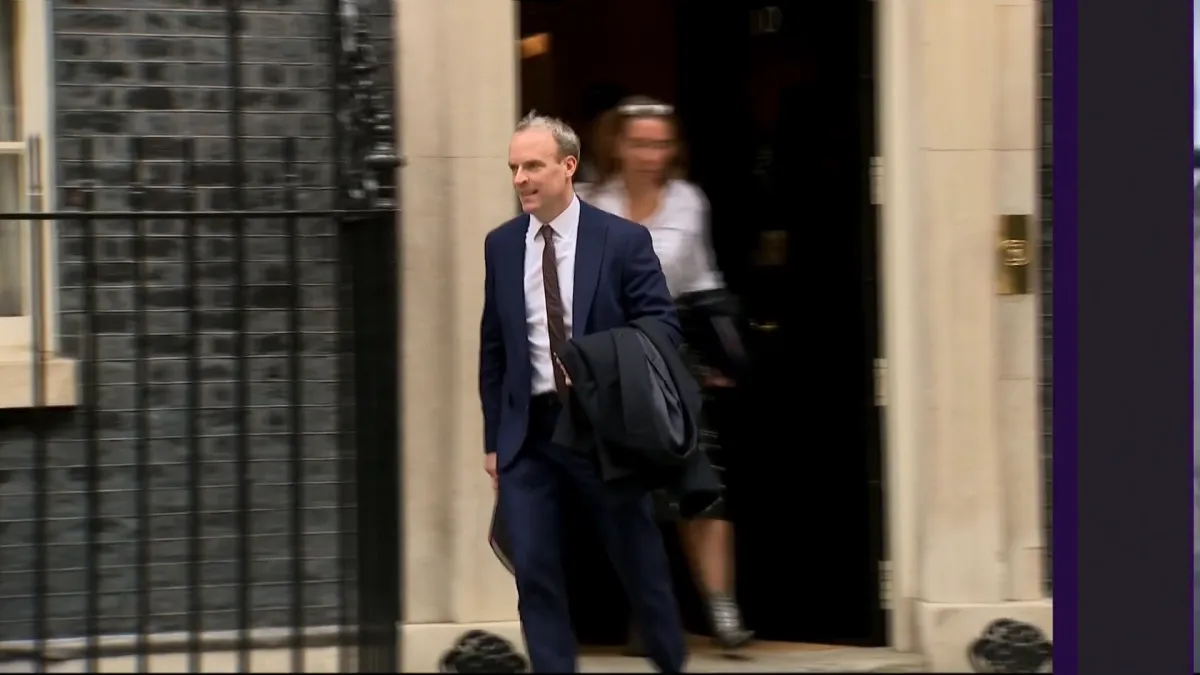 Photo: Dominic Raab, via fournews-assets-prod-s3-ew1-nmprod.s3.amazonaws.com
The Northern Ireland Protocol became a masterclass in civil service obstruction. Rather than finding creative solutions to honour both the referendum result and the Good Friday Agreement, officials embraced the most rigid interpretation possible, creating the very crisis they claimed to be preventing.
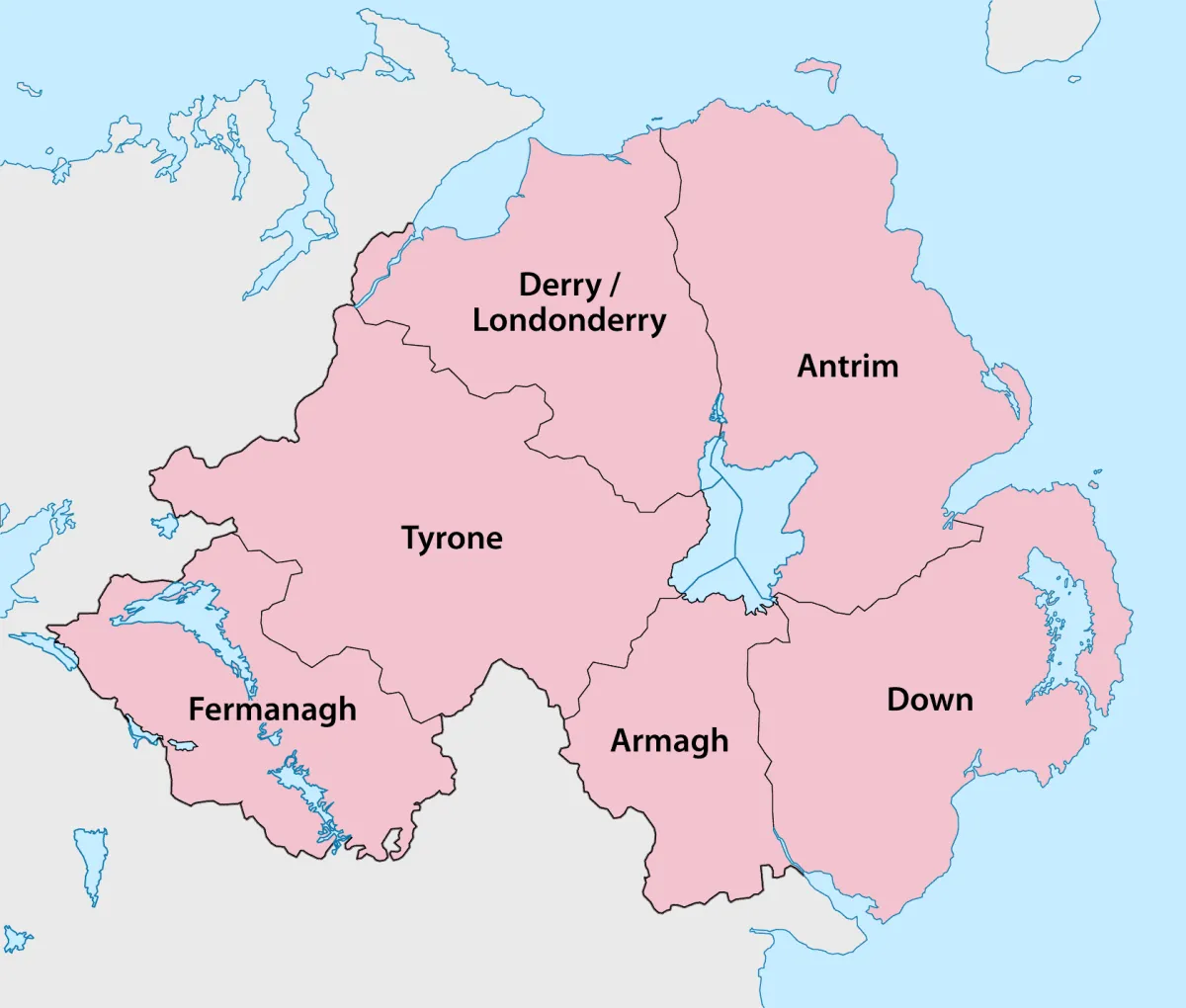 Photo: Northern Ireland, via winterville.co.uk
The Welfare Reform Roadblock
Iain Duncan Smith's experience with Universal Credit offers another case study in bureaucratic resistance. Despite a clear Conservative manifesto commitment to welfare reform, officials spent months explaining why every proposed change was either illegal, unworkable, or politically toxic.
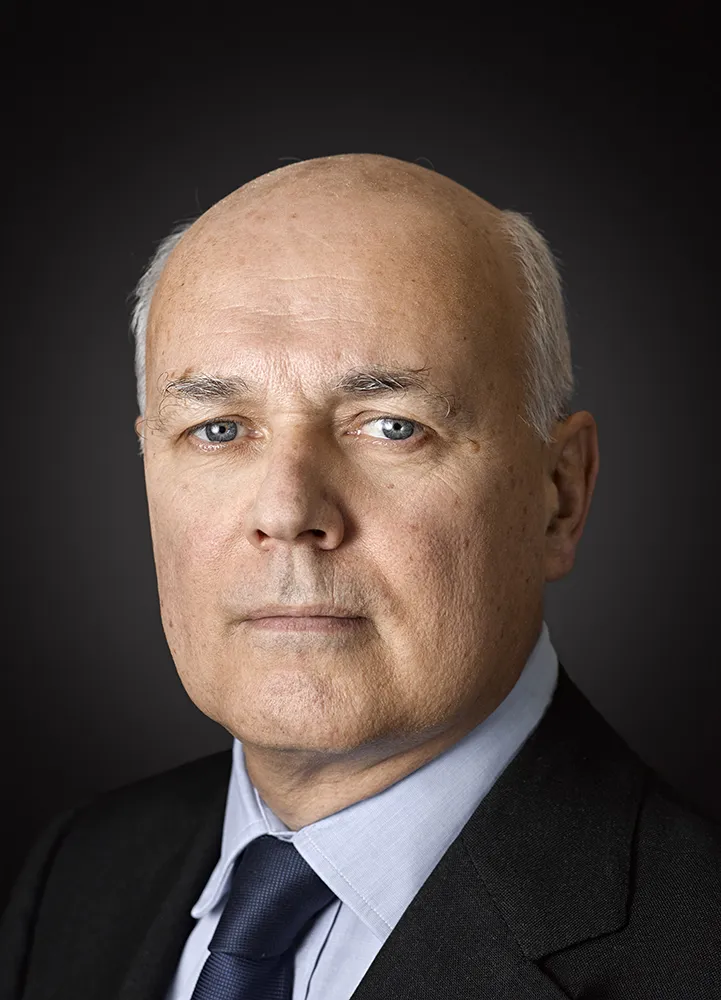 Photo: Iain Duncan Smith, via images.squarespace-cdn.com
The Department for Work and Pensions became expert at finding European Union regulations that supposedly prevented British welfare reform — even though other EU countries had successfully implemented similar policies. When ministers pressed ahead anyway, officials ensured implementation was so chaotic that the policy appeared to vindicate their original warnings.
This pattern repeats across government: civil servants who disagree with Conservative policies don't openly rebel, they ensure those policies fail through malicious compliance and administrative incompetence.
The Ideological Capture
Today's civil service is overwhelmingly metropolitan, university-educated, and politically liberal. The Institute for Government found that 69% of senior civil servants voted Remain in 2016, compared to 48% of the general public. On issues from climate change to immigration, diversity to taxation, civil service opinion aligns closely with Guardian editorials rather than Conservative manifestos.
This wouldn't matter if civil servants remained politically neutral, but neutrality has given way to activism. The FDA union, representing senior civil servants, regularly campaigns against Conservative policies. Government departments now employ "diversity and inclusion" officers whose job is explicitly political: advancing progressive ideology within the state apparatus.
When ministers arrive with different priorities, they encounter not neutral advice but institutional resistance dressed up as professional expertise.
The Accountability Gap
Perhaps most troubling is the complete absence of accountability. When policies fail due to poor implementation, ministers resign while civil servants remain. When departments miss targets, civil servants receive bonuses while ministers face parliamentary questions.
The permanent secretary system, designed for a smaller, simpler state, now protects officials from the consequences of their decisions. Sir Tom Scholar was finally removed as Treasury permanent secretary in September 2022, but only after years of economic policies that delivered stagnant growth and declining productivity.
Meanwhile, officials who actively undermined government policy face no sanctions. The civil servants who leaked Brexit negotiations to European negotiators remain in post. Those who briefed against immigration policies continue drawing taxpayer-funded salaries.
International Comparisons
Other democracies manage this better. In the United States, incoming presidents can replace around 4,000 senior political appointees, ensuring the bureaucracy serves elected priorities rather than its own agenda. France allows ministers to bring in cabinets of political advisers who can direct civil service work.
Even within the Westminster system, Australia and Canada have reformed their civil services to enhance political control and democratic accountability. Britain remains stuck with a 19th-century system designed for an empire, not a modern democracy.
The Reform Agenda
Conservatives should embrace radical civil service reform as a democratic imperative. This means:
Political Appointments: Allow ministers to appoint senior officials who share their policy objectives, following the American model for assistant secretary-level positions.
Performance Management: End jobs-for-life culture with proper performance reviews, dismissal procedures, and merit-based promotion rather than Buggins' turn.
Departmental Competition: Break up monolithic departments into smaller agencies that compete for ministerial favour and public funding.
Transparency Requirements: Publish all civil service advice to ministers, ending the convention that allows officials to hide behind claims of confidentiality.
Union Restrictions: Prohibit civil service unions from political campaigning, following the model applied to police and military personnel.
The Democratic Case
Critics will claim such reforms threaten civil service impartiality, but impartiality disappeared long ago. The choice isn't between political and neutral civil servants — it's between officials who are accountable to elected politicians and those who answer only to themselves.
Democracy means that when voters elect a Conservative government, they get Conservative policies implemented by people who believe in them. The current system delivers Conservative politicians implementing Labour policies designed by Liberal Democrat civil servants — and then wondering why nothing works.
The Stakes
Britain's economic decline over the past two decades partly reflects a civil service more interested in managing decline than driving growth. While officials debate process, procedures, and protocols, competitor nations implement policies and measure results.
The next Conservative government must choose: reform the civil service or remain its prisoner. Half-measures and gentleman's agreements have failed for decades.
Britain needs a civil service that serves democracy, not one that treats elected politicians as temporary inconveniences in the permanent government of progressive orthodoxy.